
I gave a mother some advice about toilet training about a year ago. She tried her best to implement it. And nothing happened.
Recently she wrote back with an update: her daughter had finally been potty trained, but only after going full speed ahead in the opposite direction from what I’d told her to do.
The short answer: I was wrong for this family — not because my philosophy is bad, but because it didn’t match who they were as a household. And that’s the whole point of any advice worth hearing.
How It Started
A mother wrote to me about her three-and-a-half-year-old daughter who was absolutely set on staying in diapers. She wouldn’t even get near a potty. The child had been physically, cognitively, and verbally ready for about one-and-a-half years. If she’d simply woken up one morning and decided, she could have taught herself in a day.
The parents had backed off completely. No pressure at all. A genuine attitude of: I don’t care, you do you. If you need me, I’m here.
But the mother was doubtful that, left to her own devices, her daughter would ever feel ready. She saw a fearful and avoidant child who needed guidance in every area of life — one they gently pushed through discomfort on a daily basis. So why, she wondered, did potty training get exempt from that same approach?
What I Told Her
I told her to trust the child-led direction fully. Here’s what I said:
This little girl is picking up mixed messaging. The parents say they’re trusting, but she remembers a time when they wanted results, and she can feel the difference between real trust and performed trust. Children read their parents’ thoughts constantly.
I recommended she go all-in on letting her daughter lead — no reminders, no casual mentions, no taking the bait when the child says she’s never using the potty. Just let it sit. Her friends would help. Her natural ability would carry her through.
Here’s what I tell my clients about habit formation, and this applies to kids just as much: if you’re pushing from outside while pulling from inside, nothing moves. Pick a direction and commit.
The Update That Changed My Mind
The mother implemented my suggestions. Still, no movement toward interest in the potty on her daughter’s part — not even an inch of resistance loosening.
As she approached her fourth birthday, they decided four would be the limit. The first couple days were grueling. Her fear and resistance was intense, and they had to push really hard through it. It felt hopeless at first, but then they broke through. Long story short: no accidents in a week, and she willingly uses the toilet now.
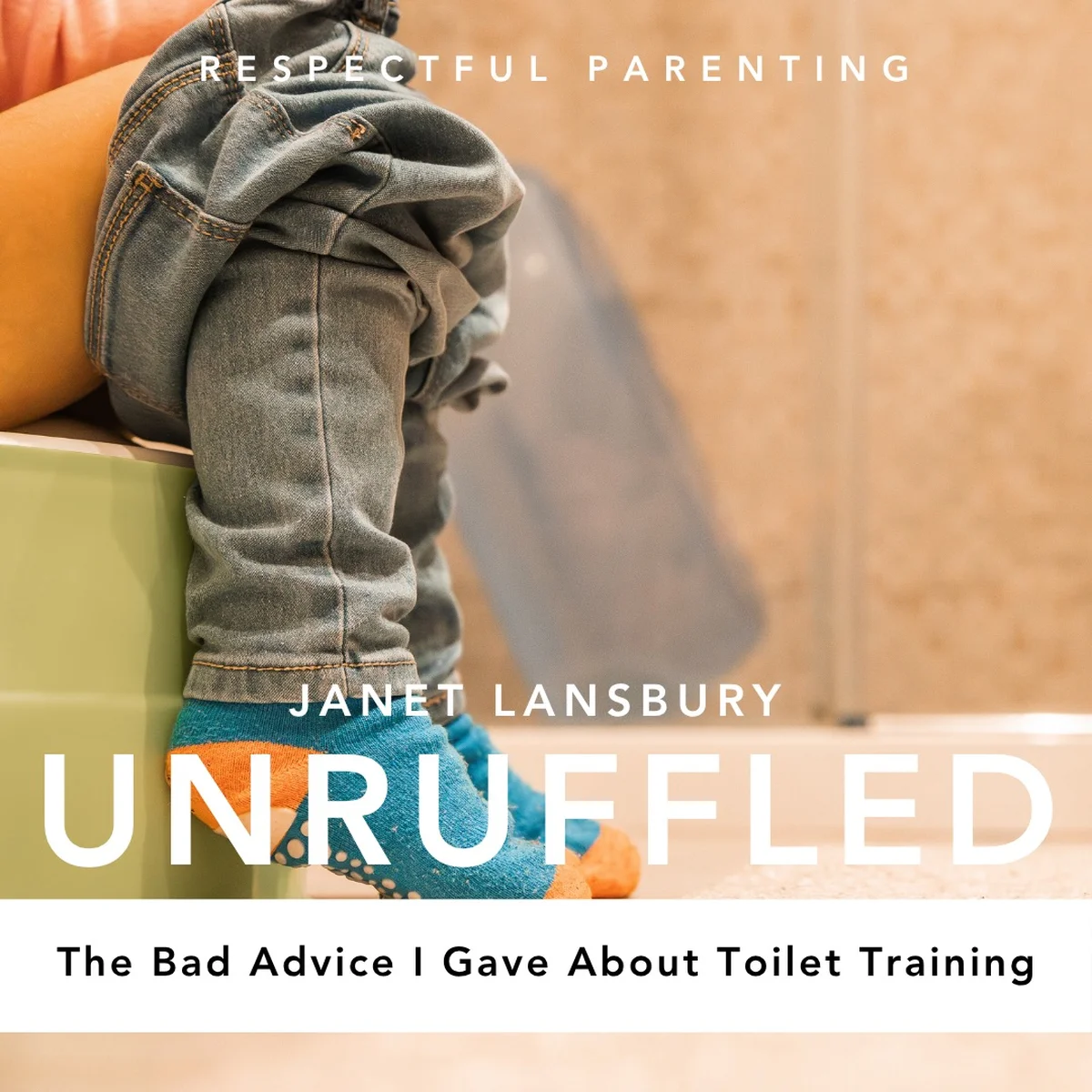
The mother wrote something that stuck with me: “I honestly feel regretful that I didn’t listen to myself.”
She saw a scared kid who needed help doing something she was fully capable of. Through her observations, the girl could have gotten to age six and never initiated this on her own. This wasn’t a developmental milestone she would cross independently — it was a phobia that required a strong, firm push.
She put it like this: “It was us having a hundred percent certainty that it was time despite no interest on her part.”
Why My Advice Missed the Mark
I believe in child-led toilet training. I genuinely think it’s preferable when you can do it — it gives kids one of their first big autonomous achievements. But believing something is right in general doesn’t mean it’s right for every family.
The mother was an anxious overthinker by her own admission. There’s nothing wrong with that, but anxiety transmits to children constantly. Her self-questioning — am I doing this right? Is this book the right approach? — showed up in everything she did. And her daughter felt it.
I was asking her to stretch into a belief system she absolutely wasn’t in. There was no way she was going to make that shift on her own. The only thing that could have convinced her would have been if the child suddenly, out of the blue, just did it. But I couldn’t promise that.
In eight years of coaching, the number one reason programs fail is that people adopt an approach they don’t genuinely believe in. They try at something rather than embracing it. It doesn’t feel good, and it doesn’t transmit well to whoever’s on the receiving end — whether that’s a client or a three-year-old.
The Science, Simplified
Parenting advice works when it resonates with your instincts. Not because research says so (though it often does) but because you can feel it in your gut and project that certainty to your child. If the advice doesn’t settle in with you, it’s not the right advice — no matter how expert the source.
What I’d Do Differently Now
I should have told this mother to trust herself first, before trusting her daughter’s timing. It was her daughter, after all. She knew her better than I did.
The evidence here isn’t mixed — it’s personal. Gentle parenting, structured parenting, child-led approaches, parent-directed ones: they’re only unhelpful if they don’t feel right to you. When your approach resonates, your child feels that certainty and acts on it. When it doesn’t, you end up pushing and pulling in different directions, and nobody moves.
Take advice. But if it doesn’t settle in with you, let it go. Your children are listening to what you believe — not what someone told you to say.
The research won’t make your habits stick by itself. The next routine will. Pick one approach that feels right for your family, commit to it fully for six weeks, and judge the results. That is the whole secret, and it has always been.



Leave a Reply