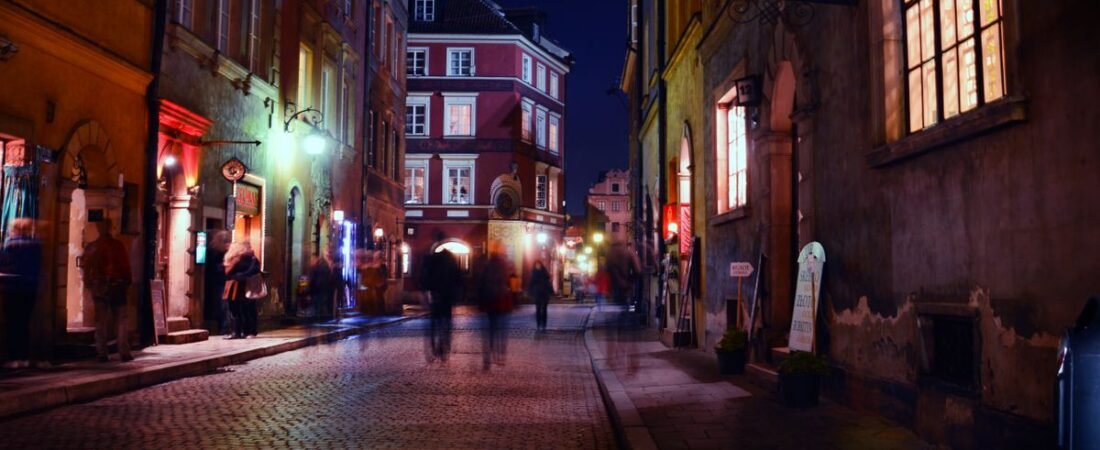
Something wonderful once ruined my life. At least for a while. I took a trip to Europe — Paris, Brussels, Antwerp, Ghent and Bruges, plus a previous visit to London — and I loved everything about it. I still want to go back every single day. My biggest dream, an Italy trip to explore my heritage, is still ahead of me, and I know it’s only going to make things worse.
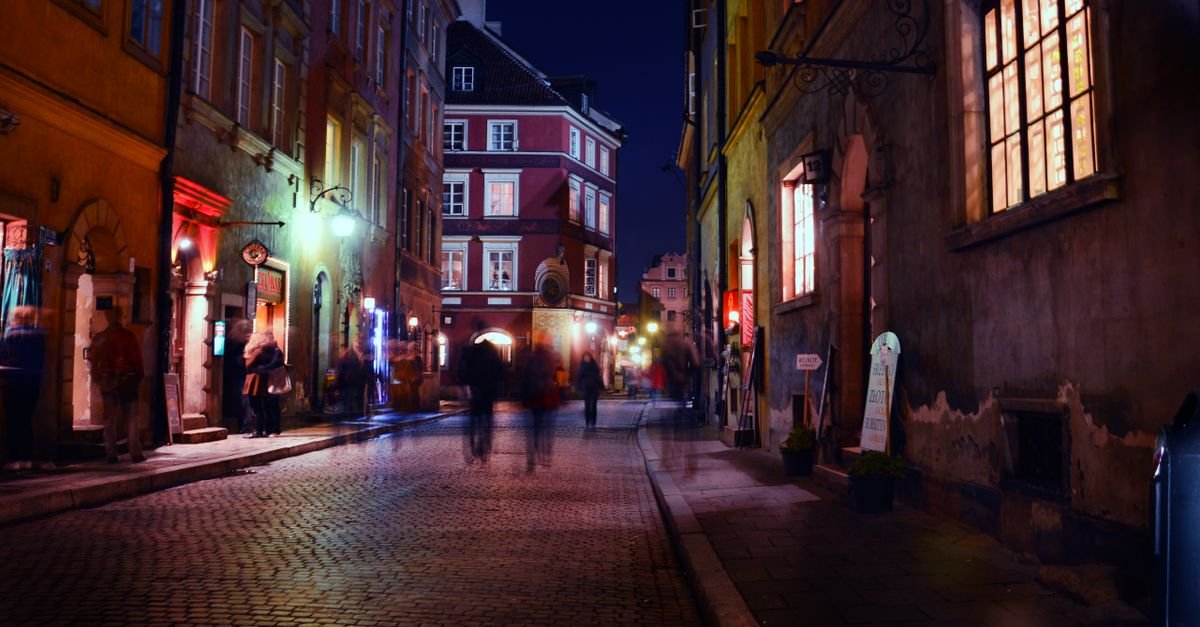
Here’s the thing: I didn’t fall in love with the monuments. I fell in love with how people lived. How they moved through an evening, how they rested, how they ate a second little meal before dinner. So I started collecting those habits, one by one. This is the list — seven of them, all simple, all stealable.
Before we start, one honest caveat: Europe is a modern place with all the same complications we deal with. It isn’t a dream. I saw stressed people there — I met them. But they stick to a few old habits that make the stress a little more bearable. And that’s exactly what I want you to steal.
Here’s the list at a glance: the evening stroll (la passeggiata), the long vacation (Ferragosto), the pre-dinner break (aperitivo), the art of doing nothing (il dolce far niente), coziness on purpose (hygge), looking put-together (la bella figura), and working to live instead of living to work.
1. La passeggiata: take an evening stroll
The single biggest thing I noticed in the European cities we visited was walkability. I live in a world where you can’t get anywhere without a car, so the fact that I could walk ten to twenty minutes to dinner, then walk back at a leisurely pace, was genuinely amazing. My digestion got noticeably better, too — I honestly never got heartburn over there.
In Italy, people go out for an evening stroll through the center of their town or city. They call it “la passeggiata” — the Italian term for that slow evening walk. Its main purpose is community: connecting with the people around you, plus a little calm movement after a long day.
Bringing it home is tricky when most cities here aren’t built for walking. But here’s what I tell my clients who want a daily reset that isn’t a workout: take a small stroll with a family member in the evening, most days of the week. On the weekend, spend an hour in your downtown or a park — watch the ducks, sit on a bench, read. Chat with the people you meet. That’s the whole habit.
2. Ferragosto: actually take a real vacation
Ferragosto is August 15th — a religious holiday in Italy — but the idea behind it travels further than the date. The “Ferragosto mindset” is taking a proper, long vacation and putting everything on hold to rest and be with your family. Across Europe, the pattern is the same: more time off, more travel, more real relaxation.
On both our trips — one in April, the other in July — we saw European tourists everywhere, even in Paris. In the US, vacation is hard. And even when you do get time off, you check email and answer calls. Do you actually travel? Do you actually rest?
The practical part: when you’re on vacation, turn off your work brain. Focus on your family, your interests, and your rest. You’ll do the work better when you come back to it. One week a year where you’re genuinely off is worth more than a month of half-present weekends.
3. Aperitivo: build a little break into your afternoon
One thing I actually struggled with in Europe was how late dinner is. The answer turned out to be one of the most fun habits on this list: aperitivo. In Italy, it’s a pre-dinner window of snacks and drinks with friends. France has its late-afternoon gouter, and England has tea time. Different countries, same idea: a scheduled pause between the morning and the evening.
You probably can’t meet friends for a drink before dinner every night. But nothing says you can’t take a proper mid- or late-afternoon break. I take one most days around three or four — a cup of tea, sometimes a piece of fruit, a little chocolate, some other small nibble. I use that time to call my mom, text a friend, or just write. It’s not a productivity hack. It’s a gear shift.
Try it for a week: one scheduled break in the afternoon, food and drink optional but encouraged. You’ll go into your evening activities refreshed instead of running on fumes.
4. Il dolce far niente: practice doing nothing on purpose
At a window bar in a Paris cafe, I photographed a woman who was doing absolutely nothing. Not her phone. Not a book. She was just staring out, thinking — deeply, philosophically. How often do you see that? Someone doing nothing? How often do you do it?
The Dutch call it niksen. Spain has the siesta. In Italian it’s “il dolce far niente” — the sweetness of doing nothing. In the US, we usually call it wasting time. I think that tells you something about our culture.
Every time I think about this habit, I think of my grandpa, my Nonno. The sweetest little Italian gentleman you’d ever meet. He’d say, “I’m not sleeping, I’m just resting my eyes.” He’d sit and listen to music, and he loved to people-watch at McDonald’s.
Is it so wrong to stop and do nothing once in a while? I love being productive, but my best ideas and my best problem-solving come when I give myself permission to sit with nothing in my ears and nothing on my eyes. Give yourself that permission on purpose, not by accident.
5. Hygge: get cozy on purpose
Once you’ve learned to slow down, the next step is comfort. That’s where hygge comes in — the Danish word for that warm, cozy feeling of being at home with the people you like.
The practical version is simple: bake something, host a game night, sit by the fire with a good book. Hygge isn’t a product and it isn’t expensive. It’s the deliberate choice to be cozy and to build closeness with family and friends, and to find contentment in the small things.
6. La bella figura: look put-together, carry yourself with dignity
Everyone knows Europeans dress better than we do. While we were there, I didn’t see a single non-American in workout clothes, sweatpants, or pajamas. What I did see was classic, timeless style worn in an effortlessly cool way.
But how does that simplify your life? Doesn’t being stylish mean more clothes? Not at all. Most Europeans own significantly less clothing than Americans, because they favor classics, quality, and versatility — and because they generally live in smaller spaces. A capsule wardrobe is completely normal there, and they still look great. No, really. They do.
La bella figura goes beyond clothing, though. It’s the whole idea of presenting your best self to others: good manners, confidence, dignity, and treating people with courtesy. How much of that do you see at the store, the restaurant, or work? Start by carrying it yourself — fewer, better clothes, a little more polish, a little more grace.
7. Work to live — not live to work
The habit that stands out most when you talk to Europeans is how little interest there is in what you do for a living. Why? Because their worth isn’t tied to their job. I found that genuinely refreshing, especially coming from a culture where I’d been looked down on for working as a cleaner and blogging on the side.
Most people in Europe draw a strong line between work and the rest of their lives. They’re more interested in what they do in their free time than what they do for money. That work-to-live framing is easier to live with than the high-pressure live-to-work norm we’re used to. It leaves room for growth, for change, for hobbies that feed your creativity and your social life.
Set boundaries with your employer. Take time off for the family events that matter. Don’t pile on extra shifts by reflex. Be clear about your values. And change how you think about work itself: what you do for a living doesn’t define you, and how much you earn doesn’t measure your worth as a person. You work to pay the bills. That’s it.
If you’re only going to adopt one habit from this list, make it this one.
The Science, Simplified
None of this is new science, and I won’t dress it up. The common thread behind all seven habits is the same one recovery research keeps pointing at: stress accumulates in the gaps of your day, and deliberate rest — walking, breaks, unstructured time, a real vacation — is how you pay that bill back. You don’t have to go to Europe to do this. You just have to make your life a little more European: more laid back, more focused on quality, more restful. Pick one habit from this list, run it for a month, and see how your week feels. That’s the whole secret.

Leave a Reply