
Every week, a new client walks in with a nutrition question. It’s almost never the one I’d expect. It’s not “what does the research say?” and it’s not “is this sustainable?” It’s the same sentence, word for word: “What foods do I actually buy?”
I’ve been cooking the Mediterranean way for over a decade, and I’ve written an entire cookbook about it. So when that question lands, I don’t point to a study. I open this list. It’s organized the way you’d walk a grocery store, and it answers the real question in one sitting.
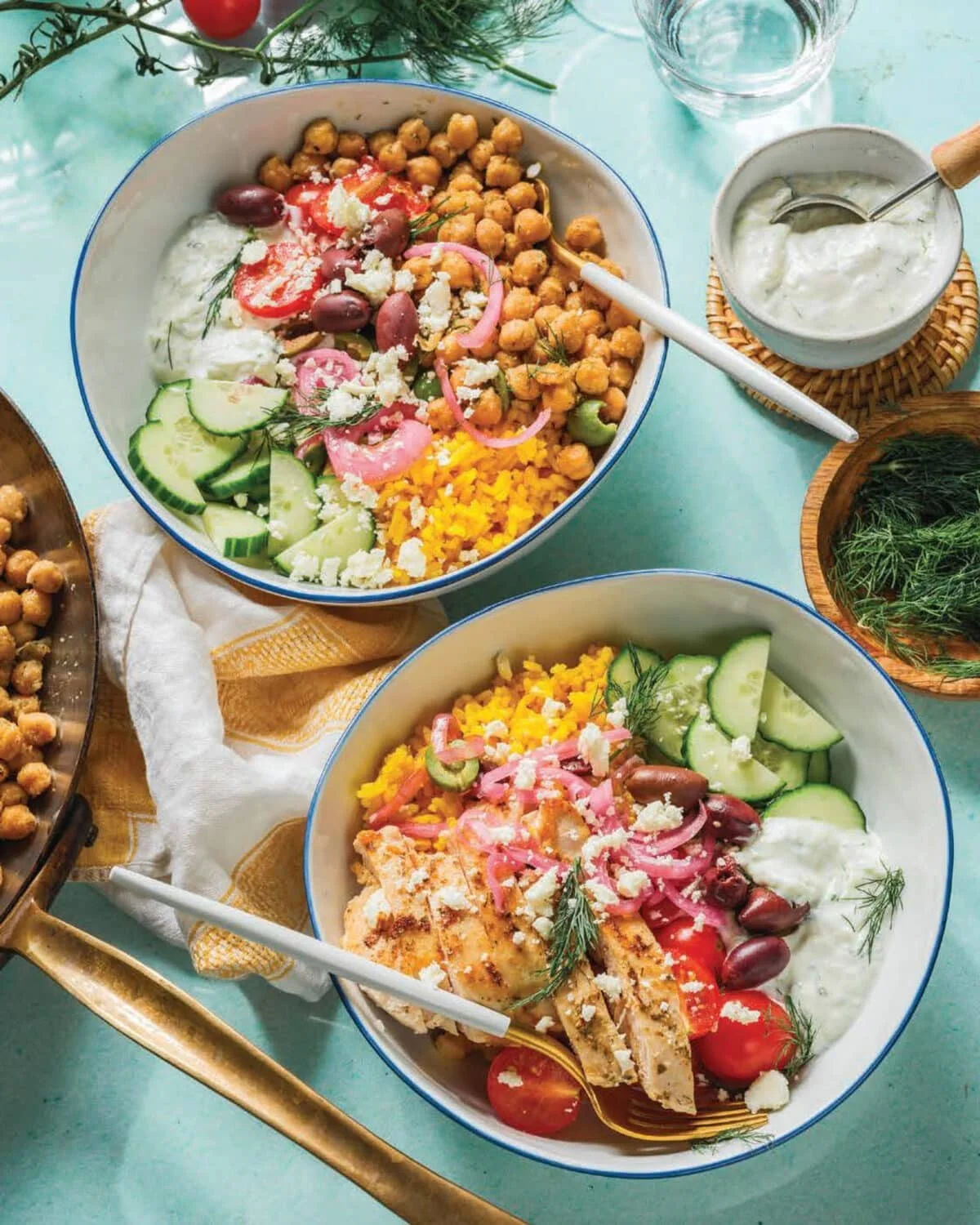
The short answer: the Mediterranean diet is not a menu of exotic dishes. It’s a set of guidelines — daily vegetables, fruit, whole grains, and olive oil; weekly fish, legumes, and eggs; moderate dairy; and red meat and added sugar kept to a minimum. Everything else in this list is just the shopping version of that.
What the Mediterranean Diet Actually Is
Is it all tzatziki and falafel? Well, yes and no. A fun thing I discovered researching this way of eating over the past few years is that it isn’t just authentic Mediterranean cuisine. It’s a pattern, and it’s the one that keeps earning the “healthiest diet in the world” label from US News and World Report.
Here’s how the Mayo Clinic defines it, which is the framing I use with clients:
- Daily consumption of vegetables, fruits, whole grains, and healthy fats like olive oil
- Weekly consumption of fish, poultry, legumes (beans and lentils), and eggs
- Moderate portions of dairy products
- Limited intake of red meat and foods with added sugar
That’s the whole philosophy. The rest is logistics.
The Mediterranean Diet Food List
So what does it look like at the register? Here’s the list, with general guidance on goals and serving sizes from the Cleveland Clinic. Think of it as a checklist you can take with you.
Extra-Virgin Olive Oil
Olive oil is the main cooking fat here. I use it for sauteing, salad dressings, and anywhere you’d reach for any other oil or butter — I even use it in baking. If your pantry is missing one good bottle, that’s the first fix.
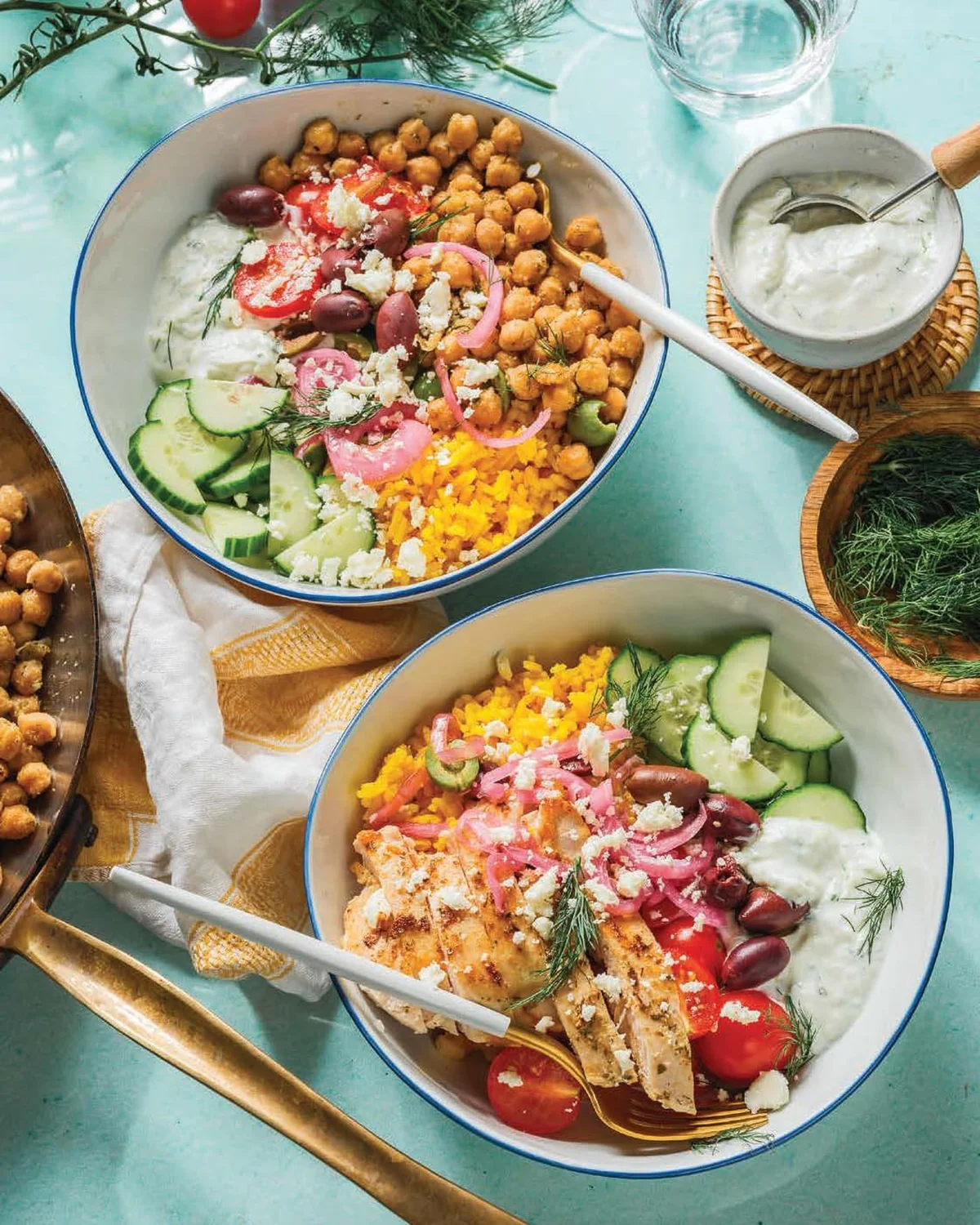
Vegetables
Vegetables are the priority. The goal is 4 servings of vegetables per day, and one serving is 1/2 cup cooked or 1 cup raw (or 2 cups of leafy greens). Fresh vegetables to keep in rotation:
- Cucumbers, bell peppers, carrots, celery, onion, radishes
- Leafy greens like spinach, arugula, kale, chard
- Broccoli, cauliflower, cabbage, Brussels sprouts
- Tomatoes and avocados (technically fruits, treated as vegetables at the table)
- Asparagus, okra
- Eggplant, zucchini, artichokes, fennel
- Potatoes, sweet potatoes, squash, beets
Fruit
Aim for 3 servings of fruit per day, 1/2 to 1 cup each. Fruit often plays the dessert role in this diet, and honestly it works. What to buy:
- Apples, bananas, pears, grapes
- Blueberries, strawberries, blackberries, raspberries
- Cherries, peaches, nectarines, plums, apricots
- Oranges, grapefruit, lemons, and other citrus
- Watermelon, cantaloupe, honeydew melons
- Dates, figs, pomegranate
Whole Grains
Whole grains are foundational — they’re what makes a plate actually filling. Try for about 3 servings per day (1/2 cup of cooked grains per serving):
- White or brown rice
- Quinoa
- Farro
- Bulgur
- Barley
- Whole wheat pasta
- Whole grain or sourdough bread
Legumes
Legumes are the star protein source on this diet. Aim for 3 servings per week, 1/2 cup each:
- Chickpeas
- Lentils
- White beans, black beans, pinto beans, fava beans
- Green beans
- Edamame
- Black-eyed peas
Canned is genuinely great here. Rinse it, use it, move on.
Nuts and Seeds
Look to eat 3 servings per week, where a serving is 1/4 cup of nuts or 2 tablespoons of nut butter:
- Almonds, walnuts, pecans
- Pistachios, hazelnuts, pine nuts
- Sesame (including tahini)
- Sunflower seeds, pumpkin seeds, chia seeds, flax seeds
Fish and Seafood
The diet calls for fish and seafood 3 times per week. Here’s the practical part: if you only cook salmon on the weekend, you’ll miss the target. Batch it, buy it canned, keep it simple. Good places to start:
- Salmon, tilapia, halibut, cod
- Tuna (fresh and canned)
- Sardines, anchovies, mackerel
- Shrimp, scallops, mussels, squid, octopus
Eggs and Poultry
Poultry no more than once daily, and 1 egg yolk per day — whites are unlimited. Chicken and turkey in modest portions do the heavy lifting here.
Yogurt and Cheese
Moderate portions of dairy are the recommendation. My rule of thumb: use cheese as a seasoning, not the main event. Choose 1 serving daily of:
- Greek yogurt or labneh
- Feta, halloumi, ricotta, Parmesan, pecorino, manchego
Herbs, Spices, Garlic, Olives, and Capers
Herbs and spices are the backbone of the flavor in this diet — they’re what makes “limited red meat” feel like a choice rather than a restriction. Keep on hand:
- Oregano, mint, parsley, dill, basil, rosemary, thyme
- Cumin, coriander, sumac, za’atar
- Garlic and lemon
- Olives, capers, caper berries
- Sun-dried tomatoes
Wine and Water
Water is the primary drink. Wine is optional and occasional — one glass daily for women, up to two for men. If you don’t drink, that’s a perfectly fine version of this diet too.
What to Limit
A diet is defined as much by what it leaves on the shelf as what it puts in the cart. Keep these to a minimum:
- Red meat — a few times a month
- Sweets — special occasions
- Refined carbohydrates, like store-bought white bread
- Beer and liquor — only occasionally
And if you can, avoid outright: drinks with added sugar (including fruit juice and soda), highly processed foods, and fatty or processed meats.
Where to Start
Here’s what I tell my clients: don’t overhaul the whole pantry on a Tuesday. Pick the three aisles that would change your week most — usually vegetables, legumes, and olive oil — and build from there. Once those are automatic, add fish a third time a week and swap out the added-sugar drinks.
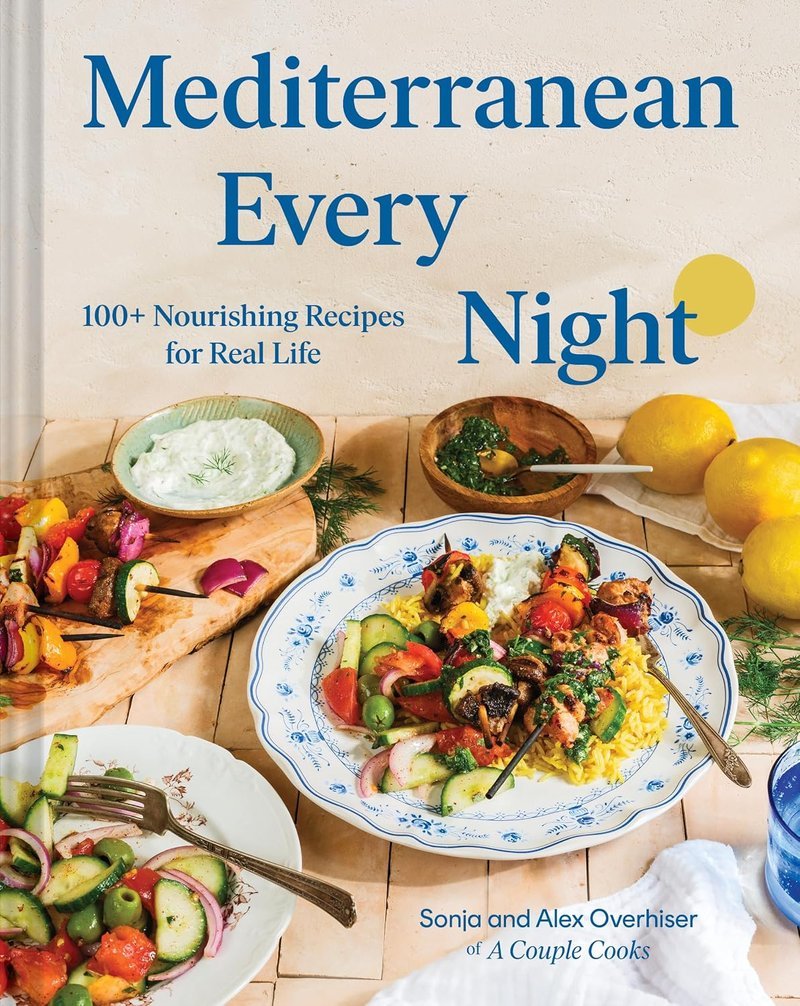
I put my 100+ tested Mediterranean recipes in a book called Mediterranean Every Night, from dinners to desserts and sides to bread. If you want the food side of this, it’s where I keep everything.
The Science, Simplified: The Mediterranean diet isn’t a single recipe or a point system. It’s a pattern researchers keep coming back to: vegetables, fruit, whole grains, and olive oil every day; fish, legumes, and eggs most of the week; dairy in moderation; red meat and added sugar rarely. If you can shop that pattern, you’re doing the diet. Everything else is preference.
Take this list to the store this weekend. Buy the olive oil first — that’s the one thing that changes every other meal. Then fill the produce section, add a few cans of beans, and you’ve built the diet in one trip.



Leave a Reply