
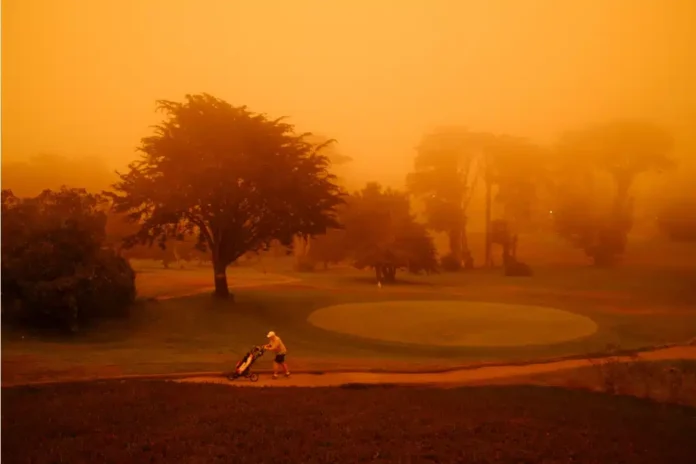
Over the past four decades, the planet has seen a sharp rise in days with conditions that favor wildfires, a new study reveals. Between 1979 and 1984, the world averaged around 22 days per year with so-called “synchronous fire weather”—periods when multiple regions simultaneously experience high fire risk. By 2023 and 2024, that number had surged to more than 60 days annually, signaling a growing global threat fueled largely by human-driven climate change.
What Makes a Day Fire-Prone?
Fire-prone weather occurs when high temperatures coincide with dry, windy conditions. In these circumstances, dry leaves, grass, and other vegetation serve as natural tinder, while strong winds can fan flames and rapidly spread fires over large areas. This combination of factors has contributed to devastating events, from the California wildfires in January 2025 to blazes across southern Australia.
The concept of “synchronous fire weather” is particularly alarming because it means that multiple regions are at high risk simultaneously, stretching firefighting resources and heightening the potential for widespread disaster. According to the study, published in Science Advances, the increase in these high-risk days is dramatic: the annual average more than doubled since the early 1980s and continues to climb.
Regional Hotspots
Certain parts of the world are facing more acute risks. The Americas, for example, have experienced striking increases in fire-prone conditions. In the continental United States, synchronous fire weather days averaged just 7.7 per year between 1979 and 1988; in the past decade, that figure has risen to 38 days annually. Southern South America has seen an even sharper rise—from about 5.5 days a year in the early 1980s to over 70 days annually in recent years, with 118 days recorded in 2023 alone.
The consequences of these trends are already visible. In 2023, the historic community of Lahaina, Hawaii, was devastated by wildfires, illustrating how vulnerable populated areas are to increasingly extreme fire conditions.
Climate Change as the Driving Force
To quantify the role of human influence, researchers used computer models comparing today’s climate, with its elevated greenhouse gas concentrations, to a hypothetical world without fossil fuels. Their findings suggest that more than 60% of the increase in synchronous fire weather days can be directly linked to climate change.
This human-driven warming does more than just raise temperatures. By prolonging dry spells and increasing wind activity, it essentially extends wildfire seasons. Recent analyses show that the wildfire season globally has grown by roughly two weeks on average, with some regions, such as the Western United States, experiencing an additional 105 days of potential wildfire risk. These areas now burn six times more land and see three times as many large-scale fires—defined as those consuming over 1,000 acres—than in the 1970s.
Frequency and Intensity on the Rise
Wildfires are not just happening more often—they are also more intense. A 2024 study found that the frequency and energy of wildfires have more than doubled over the last twenty years. The six of the last seven years analyzed (2003–2023) were among the most “energetically intense,” highlighting the increasing ferocity of these events. Hot, dry, and windy conditions create the perfect environment for fires to ignite and spread, magnifying both ecological and economic impacts.
A Surprising Decline in Burned Area
Despite these trends, the total land area burned by wildfires globally has actually decreased over the past few decades. Research published in 2017 noted a roughly 25% decline in burned area over 18 years. This seeming contradiction is largely attributed to human land use: expanding agriculture and more intensive land management in grasslands and savannas have limited the natural spread of fires, even as conditions for fire ignition have grown more severe.
The Growing Challenge
The findings underscore a stark reality: while humans may have reduced the land actually consumed by fire in some areas, the risk and intensity of wildfires continue to rise under climate change. Regions across the globe face longer fire seasons, more simultaneous fire-prone days, and larger, more destructive fires, threatening ecosystems, communities, and economies alike.
As our planet warms, understanding and preparing for these increasingly frequent fire-prone conditions will be crucial. Combating climate change, improving firefighting strategies, and managing land more effectively are urgent priorities to mitigate the growing threat of wildfires in an era of extreme weather.