
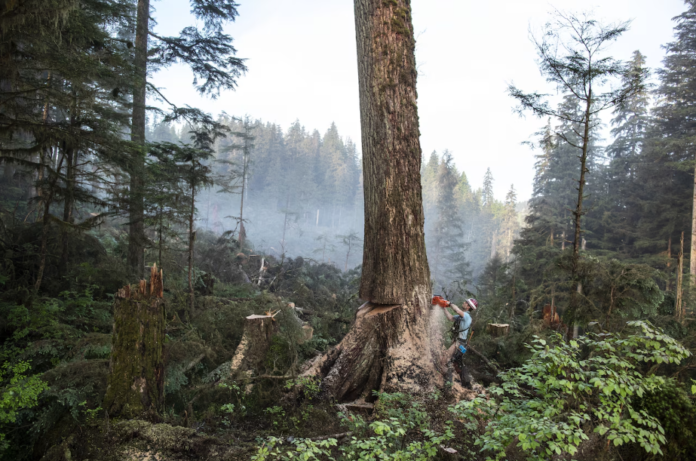
Deforestation—the large-scale clearing of trees—is not just a problem for wildlife; it’s a challenge that touches climate, ecosystems, and even human health. Forests are vital to life on Earth. They regulate our climate, provide homes for countless species, and support billions of people around the globe. Yet, every year, vast tracts of forest vanish, threatening biodiversity, accelerating climate change, and even increasing the risk of disease outbreaks.
What Is Deforestation, and Where Is It Happening?
Deforestation refers to the intentional removal of forested land, often resulting in permanent changes in land use. Globally, this loss is largely driven by agriculture, livestock grazing, mining, infrastructure, and expanding settlements. Regions with high rates of permanent forest loss include Latin America, Southeast Asia, and parts of Africa. Between 2015 and 2020, Africa—especially Eastern and Southern Africa—South America, and South and Southeast Asia saw some of the fastest annual deforestation rates, according to the Food and Agriculture Organization of the United Nations (FAO).
For instance, forests in Southeast Asia are frequently cleared for oil palm plantations, which supply ingredients for everything from shampoo to snacks. Between 2000 and 2018, palm oil plantations accounted for roughly 7% of global deforestation. Similarly, in South America, cattle ranching and soy farming have driven much of the Amazon rainforest’s destruction, with 17% of the forest lost over the past 50 years. In 2022 alone, an estimated 1.98 million hectares (4.89 million acres) of Amazon forest were cleared, and Colombia reported a 43% increase in forest loss in 2024 compared to the previous year.
Why Trees Matter
The impacts of deforestation ripple far beyond the forest itself. Forests are home to roughly 80% of Earth’s terrestrial animals and plants, including iconic species like orangutans, Sumatran tigers, and countless birds. When forests vanish, these animals lose their habitats, disrupting delicate ecological balances.
Forests also regulate local climates. The tree canopy shields the ground from harsh sunlight during the day and retains heat at night. When trees are removed, these natural temperature buffers are lost, leading to more extreme fluctuations that can harm both plants and animals.
Humans also rely on forests for food, medicine, and income. Globally, an estimated 5.8 billion people use non-timber forest products—such as honey, game, medicinal plants, and energy sources. In India, up to 40% of some communities’ income comes from these resources. Deforestation also accelerates soil erosion, leading to flooding, degraded farmland, and clogged waterways.
Deforestation and Climate Change
Trees are critical in the fight against climate change. They absorb carbon dioxide, one of the primary greenhouse gases driving global warming. When forests are cleared, carbon stored in trees is released into the atmosphere, while the land loses a natural carbon sink. If tropical deforestation were a country, it would rank third in carbon emissions globally, trailing only China and the United States.
The impacts extend beyond carbon. Rainforests, for example, play a key role in regulating water cycles. Deforestation in the Amazon has contributed to 74% of rainfall declines and 16.5% of temperature increases over a 35-year period, affecting not only local communities but also regional and potentially global climates. This disruption can influence everything from agriculture to water supplies, even impacting what ends up in your morning cup of coffee.
Stopping Deforestation—and Restoring Forests
While the scale of deforestation is daunting, efforts to protect and restore forests offer hope. Conservationists are working to halt illegal logging and mining, preserve intact forests, and restore degraded landscapes. Reforestation—planting new trees—is a critical first step, but the more ambitious goal is rewilding: restoring entire ecosystems to their natural state.
Examples of successful efforts exist worldwide. In Tanzania, residents of Kokota Island have planted over two million trees over a decade to repair environmental damage. In South America, more than 360 organizations collaborate to restore the Atlantic Forest spanning Brazil, Paraguay, and Argentina. Some farmers in Brazil are demonstrating that agriculture can coexist with rainforest preservation, using sustainable practices that protect biodiversity. Companies are also supporting restoration by funding forest projects through carbon credits.
Preserving forests is not just an environmental issue—it’s also a public health measure. When forests are destroyed, wildlife such as bats may come into closer contact with humans, increasing the risk of zoonotic diseases. The 2014 Ebola outbreak in West Africa, which killed over 11,000 people, began after fruit bats transmitted the virus to a child near disturbed forest areas. Studies show that maintaining intact habitats can reduce these spillover risks, protecting both humans and wildlife.
What You Can Do
Consumers can play a role by choosing products certified as sustainably sourced. Labels from organizations like the Forest Stewardship Council and Rainforest Alliance highlight goods that do not contribute to deforestation, helping shift industry practices toward more sustainable models.
Every tree preserved, every patch of forest protected, and every ecosystem restored matters. Deforestation may be a global problem, but collective action—from governments and companies to local communities and consumers—can ensure that forests continue to sustain life, regulate climate, and maintain the delicate balance of our planet.