
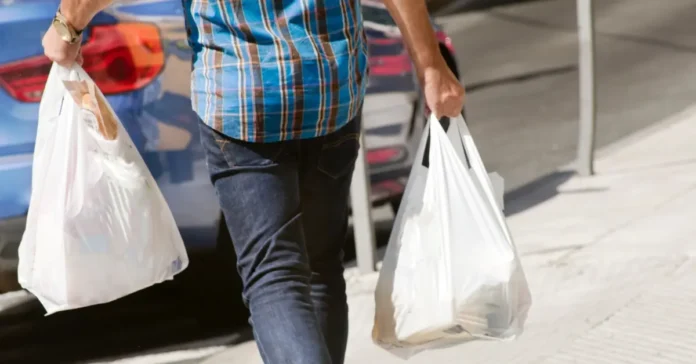
Plastic bags are everywhere — tucked under kitchen sinks, crumpled in car trunks, and stuffed into that one drawer we all pretend doesn’t exist. While more shoppers are remembering their reusable totes or choosing paper at checkout, single-use plastic bags are still part of everyday life in many communities. And when they start piling up, one big question comes to mind: can you recycle them?
The answer isn’t as straightforward as you might hope.
The Surprising Truth About Recycling Plastic Bags
Technically, most grocery and pharmacy plastic bags are recyclable. But here’s the catch: they do not belong in your regular curbside recycling bin.
Unlike rigid plastics — think bottles and containers — plastic bags are made from thin, flexible film. When these lightweight materials enter standard recycling systems, they can wrap around sorting equipment and jam the machinery. Facilities often have to pause operations to manually remove tangled plastic film, which slows the entire process and increases costs.
Because of this, tossing plastic bags into your household recycling bin often does more harm than good. Even worse, putting your recyclables inside a plastic bag before placing them in the bin — a common mistake — usually guarantees the whole bundle will end up in a landfill. Recycling facilities typically can’t open tied bags, so they discard them outright. This practice is sometimes referred to as “wish-cycling” — hoping something is recyclable without confirming first.
Where Plastic Bags Can Be Recycled
The good news? There are proper ways to recycle plastic bags — they just require a little extra effort.
Many large grocery stores, retail chains, and big-box stores offer dedicated collection bins for plastic film recycling. These are often located near store entrances. Instead of mixing bags into your home recycling, you can gather them up and drop them off at one of these locations.
To make it easier:
- Collect clean, dry plastic bags in one larger bag.
- Tie it off once it’s full.
- Bring the bundle with you the next time you shop.
These store drop-off programs often accept more than just grocery bags. Items like bread bags, dry-cleaning bags, plastic wrap from paper towels, and certain zip-top food bags may also qualify. However, rules vary by location, so it’s always wise to check the signage on the bin or the store’s website before dropping items off.
Some cities even require large retailers to provide plastic film recycling. For example, in places like New York City, qualifying businesses above a certain size must offer in-store plastic and film recycling programs.
Why It Matters
Plastic bags are lightweight and easily carried by wind, which makes them especially prone to escaping waste systems and entering waterways. Once in the environment, they can take decades to break down and may pose risks to wildlife.
Recycling them properly ensures the material can be repurposed into products like composite decking, outdoor furniture, and new plastic film products. But that only works when bags are clean, dry, and routed through the correct channels.
If You Can’t Recycle Them, Reuse Them
Sometimes access to store drop-off programs isn’t convenient. In that case, reusing plastic bags is the next best option.
These thin bags are surprisingly versatile around the house. Instead of throwing them away immediately, consider giving them a second life:
- Small trash can liners: Perfect for bathroom bins or office wastebaskets.
- Pet waste disposal: Handy for dog walks or cleaning litter boxes.
- Packing material: Use them to cushion fragile items when moving.
- Plant protection: On chilly nights, loosely covering plants can help shield them from light frost.
- Storage organizer: Ironically, they can hold other plastic bags to keep things tidy.
- Moisture barrier: Wrap around shoes or toiletries in luggage to prevent leaks.
Reusing extends the life of the material and reduces the demand for new plastic production.
Reducing Your Plastic Bag Intake
Of course, the most effective strategy is to minimize how many plastic bags you bring home in the first place.
If reusable bags slip your mind, try keeping a few in your car or near your front door. When you do need a plastic bag, ask for just one instead of double-bagging. Many cashiers automatically double up for heavier items, but often a single bag is sufficient.
Small changes add up over time. Even choosing to carry a small purchase by hand instead of accepting a bag can make a difference.
The Bottom Line
Plastic bags are recyclable — just not in the way many people assume. Tossing them into your curbside bin may feel responsible, but it can actually disrupt recycling systems. The better option is to use designated store drop-off programs or find practical ways to reuse them at home.
As communities continue to rethink single-use plastics, awareness is key. Understanding how and where to recycle plastic bags empowers you to make choices that truly support waste reduction — rather than accidentally undermining it.
Next time you’re standing at checkout, it’s worth pausing for a second. Do you need that bag? And if you take it home, do you have a plan for what comes next?
A little intention goes a long way.