
As climate disasters become increasingly frequent and severe, businesses around the world are facing financial threats that were once unimaginable. From rising seas to scorching droughts, the economic toll of a changing climate is no longer theoretical—it’s already here.
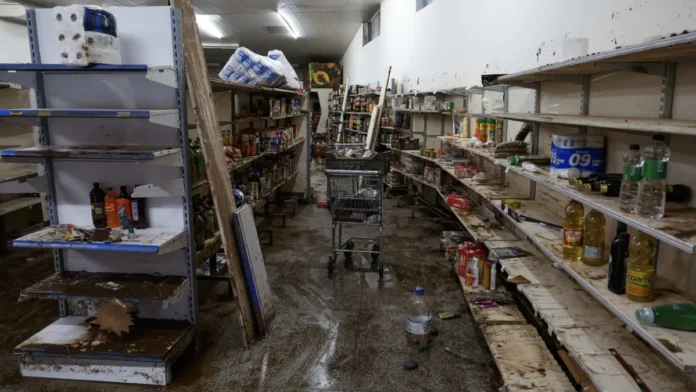
Take the floods that swept through southern Brazil in September 2023, for example. In Colinas alone, an extratropical cyclone submerged streets and homes, destroyed supermarket aisles, displaced thousands, and claimed more than 30 lives. For local businesses, the damage was immediate and devastating: inventory lost, buildings flooded, and operations disrupted. This is not an isolated case. Across the globe, extreme weather events are increasingly hitting companies where it hurts most—their bottom line.
Sherry Madera of CDP, a nonprofit organization that helps companies measure and disclose their environmental impacts, emphasizes that climate change should not be viewed solely as an environmental issue. “We should be talking about climate change impacts as being business impacts,” she says. And the numbers back her up.
A recent CDP report found that approximately 4,000 large companies worldwide have collectively identified climate-related risks exceeding $6 trillion. That’s a staggering figure, reflecting the broad and varied ways climate change can threaten business operations. Coastal factories face the constant threat of flooding as sea levels rise, agricultural companies grapple with more expensive crops due to prolonged droughts, and insurers are raising premiums across the board as storms and wildfires intensify.
The scale of the problem is daunting, but Madera stresses that it’s not hopeless. Companies can take proactive measures to shield themselves from the worst financial impacts of climate change. Simple steps like flood-proofing buildings, relocating vulnerable facilities, or reworking supply chains can dramatically reduce exposure to climate risks.
According to CDP, the estimated cost of implementing such preventive measures globally is around $1.4 trillion. While this is a substantial investment, it pales in comparison to the potential $6 trillion in losses companies face if they fail to act. In other words, spending now to protect infrastructure and operations could save trillions in the future.
The lesson is clear: businesses cannot afford to treat climate change as a distant or abstract problem. Extreme weather, rising seas, and shifting agricultural patterns are already affecting industries of all kinds. Whether it’s a retailer recovering from a flooded warehouse or a manufacturer facing disrupted supply lines, the financial consequences of ignoring climate risks are growing more severe every year.
Investing in resilience may seem costly upfront, but it’s a strategic move that ensures long-term stability. Businesses that adapt now—through infrastructure improvements, diversified supply chains, and climate-aware planning—will be better positioned to weather the storms ahead, both literal and metaphorical.
Ultimately, climate change is no longer just an environmental concern—it’s a business imperative. The companies that recognize this reality and take decisive action stand to protect not only their profits but their future viability. Those that delay risk paying a far higher price when disaster strikes.