
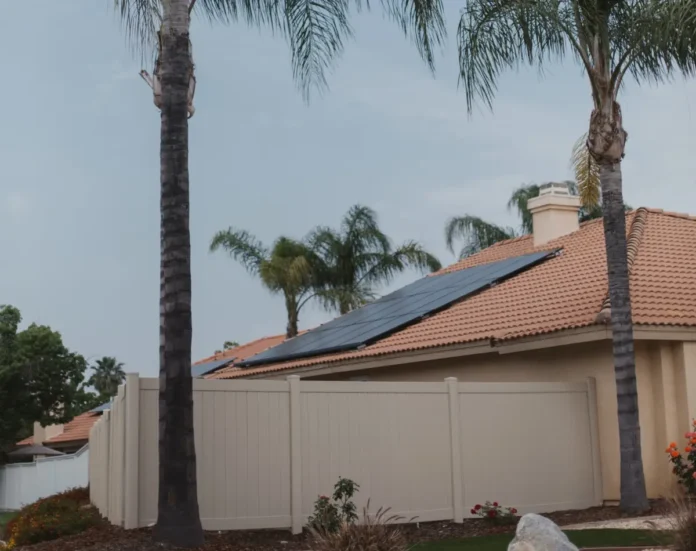
Rooftop solar panels are designed to sit quietly in the sun, converting light into clean electricity day after day. But like any surface exposed to the elements, they don’t stay spotless forever. Dust, pollen, leaves, and even morning dew can gradually form a film that blocks sunlight — and that thin layer of grime may be costing you more energy than you realize.
As solar power becomes a common feature on homes across the country, proper maintenance is becoming just as important as installation. The good news? Keeping your panels clean doesn’t have to be complicated. With the right approach — and a strong emphasis on safety — you can help ensure your system performs at its best.
Why Clean Panels Matter More Than You Think
It’s easy to assume that rain will wash away most debris. While rainfall and wind do remove some loose dirt, they’re often not enough to fully clean the surface. According to research from the National Renewable Energy Laboratory (NREL), accumulated dust and grime can significantly reduce solar panel efficiency. In some cases, performance losses may reach up to 30 percent if panels are left uncleaned for extended periods.
That’s not a small margin. When panels are partially blocked, they absorb less sunlight, meaning less electricity for your home. Over time, that reduction can translate into higher utility bills and slower returns on your solar investment.
There’s also a surprising factor at play: condensation. Panels cool down overnight, and early-morning dew can mix with dust particles, effectively “cementing” dirt to the surface. Once that happens, simple rainfall may not be enough to restore clarity.
Location plays a role as well. Homes near farmland, construction zones, or dusty climates will likely see faster buildup. Flat-mounted panels can also collect muddy residue more easily than angled systems, requiring more frequent upkeep.
Should You Clean Them Yourself?
Before grabbing a ladder and hose, pause to consider the practical and safety implications. The size and height of your solar array matter. If your panels are mounted on a steep or high roof, climbing up may not be worth the risk. Professional cleaners are trained to handle these conditions safely.
For single-story homes or ground-mounted systems, a DIY approach may be perfectly reasonable — provided you follow safety guidelines. Always consult your manufacturer’s maintenance recommendations first. Some companies specify approved cleaning methods or products and may require that the system be powered down before any maintenance.
When in doubt, prioritize safety over savings.
A Simple Step-by-Step Cleaning Guide
If you decide to clean your panels yourself, keep the process straightforward and gentle. Solar panels are durable, but they’re not indestructible.
1. Turn off the system.
Before doing anything else, shut down your solar system according to the manufacturer’s instructions. This reduces electrical risks and ensures safe handling.
2. Stay on the ground if possible.
Extension tools can help you reach panels without climbing onto the roof. Telescopic wands or long-handled brushes allow you to maintain stability while working.
3. Remove loose debris first.
Use a soft brush to sweep away leaves, twigs, or surface dirt. Avoid stiff bristles that could scratch the glass.
4. Rinse gently with water.
A standard garden hose on a light setting is ideal. High-pressure washers should be avoided, as they can damage seals or crack panel surfaces. The goal is to rinse, not blast.
5. Spot clean stubborn areas.
If residue remains, use a sponge or soft cloth with water to gently scrub affected spots. Abrasive pads and harsh detergents are not recommended.
If you need extra cleaning power, a simple homemade solution can help. Home improvement expert Bob Vila suggests a mild mixture:
- 1 small squirt of gentle dish soap
- 1 part vinegar
- 8 parts water
This diluted solution can break down grime without harming the panel surface. Just be sure to rinse thoroughly afterward.
Timing Makes a Difference
Choose a cool, overcast day — or clean early in the morning before panels heat up. Spraying cold water on hot glass can cause stress to the material and may reduce the lifespan of the panels. Cooler temperatures also make the task more comfortable for you.
Regular cleaning schedules depend on your environment. In relatively clean suburban settings, once or twice a year may be sufficient. In dust-prone regions, quarterly checks might be more appropriate.
Measuring the Impact
If you’re curious about how much difference cleaning makes, track your energy output before and after maintenance. Many solar systems provide performance monitoring through apps or online dashboards. Comparing production data can give you a clearer picture of how dirt was affecting efficiency.
You might also notice a subtle shift in your utility bill over time. While cleaning won’t eliminate energy costs entirely, restoring optimal performance ensures you’re getting the maximum value from your system.
Clean Panels, Cleaner Energy
Solar panels represent a commitment to sustainability. They reduce dependence on fossil fuels, lower greenhouse gas emissions, and provide long-term savings. But like any investment, they require care.
Keeping panels clean is not about perfection — it’s about preservation. A clear surface allows sunlight to do what it does best: power your home efficiently and sustainably. With basic tools, mindful timing, and attention to safety, homeowners can maintain peak performance without unnecessary expense.
In the end, a little maintenance goes a long way. By ensuring your panels stay free of heavy buildup, you’re not just protecting your equipment — you’re protecting the clean energy it produces, one sunbeam at a time.