
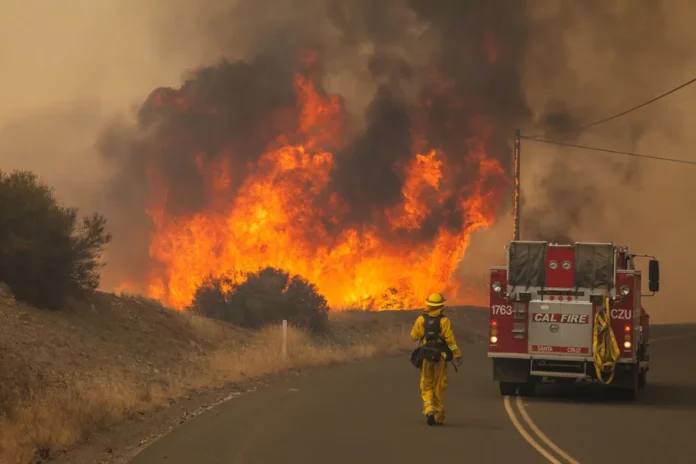
For decades, roads in America’s national forests have been essential tools for firefighting and land management. Yet, a newly released study suggests that roads may also be one of the nation’s most overlooked wildfire catalysts, raising serious concerns about proposed federal changes to forest protections.
The research, published in Fire Ecology Journal by scientists affiliated with the Wilderness Society, analyzed fire patterns across U.S. Forest Service regions between 1992 and 2024. The findings reveal a stark pattern: proximity to roads significantly increases wildfire risk, while untouched wilderness areas remain remarkably resilient.
According to the study, lands located within 164 feet of roads experienced the highest wildfire ignition rates, averaging nearly eight fires per 2,471 acres. In contrast, other national forest lands—beyond the 164-foot buffer but still outside wilderness or designated roadless areas—averaged 3.5 fires per the same acreage. The safest zones were remote, roadless wilderness areas, with just 1.75 fires per 2,471 acres.
“This isn’t just about statistics—it’s about the consequences of policy,” said Greg Aplet, Senior Forest Scientist at the Wilderness Society and lead author of the study. In a statement to Wildfire Today, Aplet stressed that the data directly challenges the administration’s plan to overturn the federal “roadless rule,” a 2001 regulation that has prevented logging and road-building in vast swaths of protected national forests.
The administration argues that lifting these restrictions would improve forest management and reduce wildfire risk. However, the new research paints a more nuanced picture: increasing road access and timber operations could inadvertently escalate wildfire ignitions, rather than prevent them.
“Opening our most pristine backcountry forests to logging and roads will not solve wildfire problems,” Aplet said. “The science clearly shows that more roads lead to more human activity, and more human activity leads to more fires. This move isn’t about protecting communities—it’s a handoff of millions of acres of public lands to private industry.”
The study’s findings suggest a paradox at the heart of wildfire management. While roads allow firefighters easier access and can serve as firebreaks, they also bring more humans—and with them, more sources of ignition. Roads fragment ecosystems, disturb soil and vegetation, and increase opportunities for accidental or negligent fires. Roadless areas, by contrast, remain largely undisturbed, providing natural fire resistance and healthier, more resilient ecosystems.
Policy experts note that the proposed repeal of the roadless rule has been met with both political and scientific scrutiny. Brooke Rollins, the U.S. Secretary of Agriculture, has characterized the rule as an “absurd obstacle,” claiming that the change would usher in a “new era of consistency and sustainability” for national forests. “Properly managing our forests preserves them from devastating fires and allows future generations to enjoy and benefit from this land,” Rollins said in the Department of Agriculture’s announcement in June 2025.
Critics argue, however, that the administration’s rhetoric oversimplifies a complex issue. The new Wilderness Society study highlights a crucial distinction: forest management is not synonymous with road construction and commercial logging. Effective fire prevention relies on a combination of strategic thinning, controlled burns, and natural ecosystem protection—not simply opening backcountry forests to industrial access.
“Science must guide policy, especially when millions of acres of public land and the safety of surrounding communities are at stake,” Aplet emphasized. “If we ignore the evidence that roads increase wildfire risk, we risk turning already vulnerable forests into tinderboxes.”
The timing of the research is particularly relevant, as wildfire seasons across the western United States have grown longer and more severe. Climate change, prolonged drought, and high temperatures compound the risk, making every policy decision about forest access a potentially high-stakes gamble.
In short, the study serves as both a warning and a call to action. Preserving roadless wilderness areas may be one of the most effective ways to reduce wildfire ignitions while maintaining the ecological integrity of America’s forests. As policymakers weigh the repeal of the roadless rule, the debate is no longer abstract—it’s a question of balancing forest accessibility, industry interests, and the long-term health of the landscape.
For Aplet and other conservation scientists, the message is clear: roads may open access, but they also open the door to more fires. Protecting wilderness isn’t just about preserving scenic beauty—it’s a tangible, data-backed strategy for reducing wildfire risk and safeguarding public lands for generations to come.