
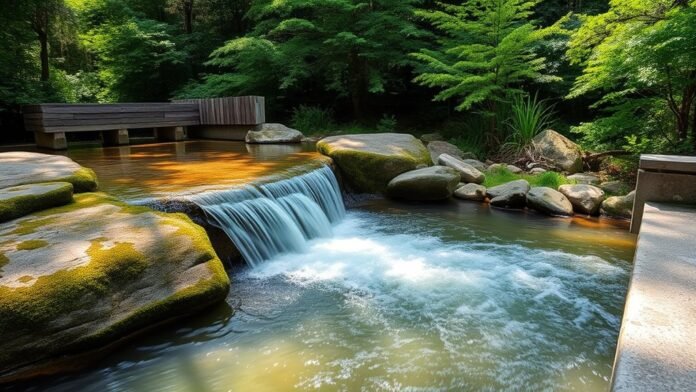
There’s a quiet kind of power moving through countless rivers and streams every day. It doesn’t roar like a massive dam or dominate a skyline with concrete walls. Instead, it flows steadily past rocks, through valleys, and alongside rural communities—largely unnoticed. Small-scale hydropower captures that understated strength and transforms it into renewable electricity, offering an eco-friendly path for homeowners, farmers, and remote communities seeking energy independence.
Unlike large hydropower dams, small-scale systems are designed to work with nature rather than reshape it. They use modest infrastructure, minimize disruption, and tap into the natural motion of water to generate power close to where it’s needed. For anyone considering renewable energy beyond solar panels or wind turbines, this lesser-known option may hold surprising potential.
What Is Small-Scale Hydropower?
Small-scale hydropower typically involves installing compact turbines in a river or stream to generate electricity. These systems range from micro-hydro setups that power a single home to slightly larger installations supporting farms or small communities.
One of the most popular approaches is the “run-of-river” system. Instead of building a large reservoir, this method diverts a portion of flowing water through a turbine and then returns it downstream. Because it doesn’t rely on large dams, the environmental footprint is significantly smaller.
The appeal is clear: consistent, renewable energy generated by a resource that’s already flowing past your property.
Why Site Selection Matters
Not every stream is suited for hydropower. Before any installation begins, careful site assessment is essential.
Three factors determine whether a location is viable:
- Steady Water Flow: Reliable year-round flow ensures consistent electricity production.
- Head (Water Height): The vertical drop of water influences how much energy can be generated.
- Environmental Sensitivity: Areas with delicate ecosystems or important wildlife habitats require special consideration.
Seasonal variability plays a major role. In dry months, water flow may decrease, reducing energy output. Understanding these patterns helps set realistic expectations and prevents costly miscalculations.
The right site makes all the difference—not just for efficiency, but for environmental stewardship.
Protecting River Ecology
Even small modifications to waterways can have ripple effects. Rivers are dynamic ecosystems, supporting fish migration, sediment movement, and diverse aquatic habitats.
Poorly designed hydropower systems can:
- Block fish from reaching spawning grounds
- Disrupt sediment transport, leading to erosion or buildup
- Alter natural flow patterns that sustain downstream ecosystems
Fortunately, modern small-scale systems often incorporate eco-friendly turbine designs and fish passage solutions. These allow aquatic life to move freely while maintaining energy production.
Conducting a thorough environmental assessment before installation isn’t just a regulatory step—it’s a safeguard. When properly planned, small hydropower can coexist with the natural systems that make rivers thrive.
Installation Challenges to Consider
While the concept is simple—water spins a turbine to produce electricity—the installation process can be complex.
You may need to:
- Construct access routes to remote waterways
- Build stable foundations within flowing water
- Manage sediment and fluctuating water levels
- Secure local and regional permits
Regulatory requirements vary by location, and obtaining water rights or environmental approvals can add time and expense. Planning ahead reduces delays and ensures compliance.
Costs typically range between $10,000 and $50,000, depending on system size, site complexity, and permitting needs. Although that upfront investment can feel substantial, long-term savings on electricity—and the independence from fluctuating utility rates—often justify the expense.
Longevity and Reliability
One of the strongest arguments for small-scale hydropower is durability. With proper maintenance, equipment can last 30 to 50 years. That lifespan surpasses many other renewable technologies.
Routine inspections and basic upkeep keep turbines operating efficiently. Advances in engineering have also improved corrosion resistance and mechanical resilience, allowing systems to withstand changing environmental conditions.
When thoughtfully installed and maintained, small hydropower becomes a decades-long energy partner.
Powering Remote and Off-Grid Communities
Small-scale hydropower shines brightest in remote regions where extending the electrical grid is impractical or prohibitively expensive.
For rural electrification, especially in mountainous or forested areas with natural streams, micro-hydro systems offer reliable, off-grid solutions. They can power homes, schools, farms, and small businesses with minimal ongoing costs.
Because water flow—unlike sunlight or wind—is often continuous, hydropower can provide steady base-load energy, reducing the need for backup generators.
In communities striving for self-sufficiency, a nearby stream can become a dependable ally.
Balancing Opportunity and Responsibility
Small-scale hydropower presents a compelling blend of practicality and environmental consciousness. It doesn’t demand massive infrastructure, nor does it carry the sweeping ecological consequences associated with large dams. Yet it isn’t impact-free.
Responsible development requires:
- Careful environmental assessments
- Strategic site selection
- Compliance with water rights and grid regulations
- Thoughtful engineering that respects aquatic life
When these elements align, small hydropower becomes more than just an energy system—it becomes a partnership with nature.
A Renewable Resource Flowing Past Your Door
There’s something almost poetic about generating electricity from a creek that’s always been there. What once seemed like a background element of the landscape suddenly reveals itself as a steady source of clean power.
Small-scale hydropower doesn’t promise dramatic transformation overnight. Instead, it offers something quieter and more enduring: dependable renewable energy rooted in local geography.
If you’re exploring sustainable energy options, look beyond rooftops and open fields. Sometimes the most powerful solution isn’t above you or beside you—it’s flowing right past your feet.
Harnessed wisely, that constant current can help power not only homes and communities, but a more resilient energy future.