
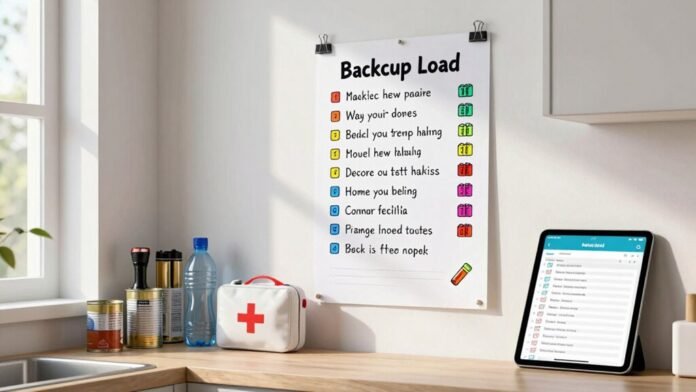
Power outages are unpredictable. One minute your home hums with activity, the next—darkness. Knowing exactly what to keep running during these moments can make a world of difference for your safety, comfort, and peace of mind. But too often, people either overpack their backup plan or leave out critical essentials. The solution? A simple, focused home backup load list designed around what truly matters.
Why a Backup Load List Matters
Think of your backup load list as a roadmap for emergencies. Instead of guessing what to power, it identifies the essential devices and appliances that sustain your household. These are the things that protect your health, keep you connected, and maintain basic functionality until power returns. Without a list, you risk either overloading your generator or leaving critical needs unmet.
The key is prioritization. You don’t need to run everything in your home—just the essentials. By focusing on health, safety, and communication, you can use your backup power efficiently and confidently.
Core Essentials to Include
A reliable generator or inverter is the foundation of your home backup plan. Once you have a dependable power source, these are the essentials to prioritize:
- Refrigeration and Freezing: Preventing food spoilage should be a top priority. Keeping your refrigerator and freezer operational saves both money and stress.
- Lighting: LED lamps or portable lights ensure visibility and safety. Avoid high-wattage bulbs that drain power quickly.
- Cooking Options: If outages last more than a few hours, consider a small, safe cooking appliance like a portable stove or hot plate. Ensure proper ventilation to prevent hazards.
- Communication Devices: Stay connected using charged phones, portable chargers, or emergency radios. Updates from local authorities and contact with loved ones are critical.
- Medical Devices: For households with special medical needs, devices like CPAP machines, oxygen concentrators, or refrigerated medications must be prioritized.
- Basic Comfort and Hygiene: Portable fans, electric razors, and small appliances that maintain cleanliness or comfort can be included if your generator allows.
Additionally, your emergency kit should complement your backup load. Stock bottled water, non-perishable food, essential medications, and a first aid kit. These items are the backbone of safety when power is out.
Calculating and Managing Your Load
Understanding your generator or inverter capacity is essential to avoid overloads. Total energy consumption should be calculated for the devices you plan to power. Focus on the items that have the greatest impact on safety and health, and avoid powering non-essential devices that will deplete energy unnecessarily.
Energy-efficient appliances are your best friends here. LED lighting, low-wattage fans, and efficient refrigerators extend backup duration, giving you more time and less stress. Keeping your load within capacity ensures your system operates safely and reliably throughout the outage.
How to Prioritize Effectively
Creating your backup load list doesn’t have to be complicated. Start with the basics: water, food, medications, and devices that support your health and safety. From there, group similar items together. This organization allows you to access critical devices quickly without sifting through unnecessary items.
For families with children or pets, include items that support their immediate needs, like baby monitors or formula warmers. Think of your list as a hierarchy: essentials first, then comfort and convenience. The goal is not to power everything but to maintain well-being and safety until electricity returns.
Tools and Tips for Staying Organized
Digital inventory apps like Sortly or MyStuff can make tracking your backup devices easier. Simple spreadsheets in Excel or Google Sheets work equally well, letting you update your list as your household changes. A well-maintained list removes guesswork and ensures readiness for any emergency scenario.
Customizing your load list for different types of emergencies is another smart step. A hurricane might require more focus on refrigeration and communications, whereas a winter storm may prioritize heating or lighting. Tailoring your plan ensures that no matter the scenario, you have what you need, and nothing superfluous weighs down your generator.
Common Mistakes to Avoid
Even the best intentions can fall short if your plan is poorly executed. Avoid these pitfalls:
- Overloading the System: Don’t try to power everything at once. Stick to essentials to prevent outages from worsening.
- Neglecting Prioritization: Failing to rank your items can create chaos when every second counts.
- Ignoring Updates: Household needs change over time. New appliances, devices, or medical needs require adjustments to your list.
By keeping your plan focused, categorized, and regularly updated, you ensure it remains practical, effective, and stress-free during emergencies.
Keep Your Household Ready
A well-crafted home backup load list transforms uncertainty into confidence. Think of it as a reliable safety net—clear, simple, and tailored to your household. By focusing on essentials, calculating energy use, and staying organized, you’ll keep your family safe and your home functional when the lights go out.
Power outages no longer have to be chaotic or frightening. With the right plan in place, you’ll know exactly what to power, how to prioritize, and how to keep life moving until electricity returns. Simple, smart, and reliable—your home backup load list is the key to staying prepared.