In the heart of a Nordic winter, the global climate science community gathered with a clear purpose: to sharpen the world’s understanding of how climate change is reshaping cities—and how cities, in turn, can shape the climate future.
From January 12 to 16, 2026, more than 100 scientists representing 56 countries convened in Oslo, Norway, for the Third Lead Author Meeting of the Special Report on Climate Change and Cities. The meeting, hosted by the Norwegian government, marked a significant milestone in the preparation of a landmark assessment by the Intergovernmental Panel on Climate Change (IPCC).
This Special Report is the only such focused study planned within the IPCC’s seventh assessment cycle. Scheduled for publication in 2027, it aims to deliver a comprehensive and up-to-date evaluation of climate science as it relates specifically to urban areas. At a time when more than half of humanity lives in cities—and that proportion continues to rise—the stakes could not be higher.
Why Cities Matter Now More Than Ever
Cities are both vulnerable and powerful. They are on the front lines of climate impacts: heatwaves intensify over concrete landscapes, coastal megacities face rising seas, and extreme rainfall overwhelms drainage systems. At the same time, cities are hubs of innovation, finance, governance, and infrastructure. Decisions made in urban centers today will determine emissions trajectories and resilience pathways for decades to come.
The Special Report on Climate Change and Cities is designed to provide a timely scientific foundation for those decisions. It assesses the latest research on urban climate risks, from flooding and heat stress to infrastructure fragility and public health. Equally important, it evaluates adaptation strategies—how cities can better prepare for and respond to climate impacts—as well as mitigation options to reduce greenhouse gas emissions through transportation planning, building efficiency, energy systems, and land use.
The report is structured into five chapters and is being developed by a diverse author team that includes more than 100 leading scientists from across the globe. This international composition ensures that perspectives from different climates, development contexts, and governance systems are reflected in the final assessment.
A Carefully Structured Process
IPCC reports are not written overnight. They emerge from a rigorous, multi-stage drafting and review process designed to ensure scientific integrity, transparency, and inclusiveness.
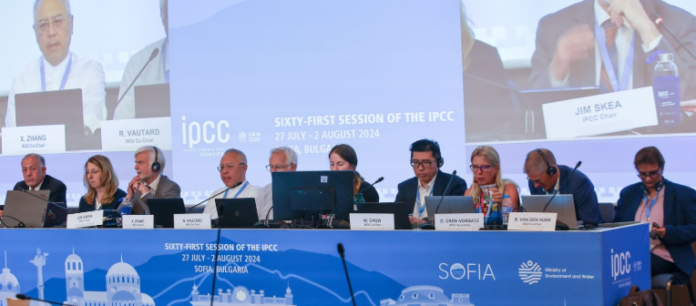
The journey for this Special Report began with extensive scoping in early 2024. Its outline was formally approved by the IPCC Panel during its 61st Session in Sofia, Bulgaria, in July 2024. That agreement set the framework for what the report would cover and how it would be organized.
The First Lead Author Meeting, held in Osaka, Japan, in March 2024, launched the drafting process. Authors began shaping the core narrative, identifying key research gaps, and aligning on chapter responsibilities. A few months later, the Second Lead Author Meeting took place in Mombasa, Kenya, in July 2024, where the First Order Draft was further developed and refined.
That draft was then opened to expert review from mid-October to mid-December 2025. The response from the global urban research community was remarkable. More than 1,300 expert reviewers participated, submitting over 32,000 comments. These comments ranged from requests for clarification and additional references to substantive critiques of interpretation and emphasis.
Such a high volume of feedback underscores both the relevance of the report and the seriousness with which the IPCC review process is treated. Every comment must be considered and addressed by the author teams, either through revisions to the text or through carefully documented responses.
The Role of the Third Lead Author Meeting
The January 2026 meeting in Oslo was therefore a pivotal moment. Chapter teams gathered to work through the thousands of expert comments, discussing how best to strengthen the draft in light of the feedback received. The goal was not simply to edit, but to improve clarity, balance, and robustness.
For the first time in this report’s development, Review Editors attended a Lead Author Meeting. Their presence plays a crucial role in safeguarding the integrity of the process. Review Editors do not shape the scientific conclusions themselves; rather, they ensure that all substantive comments are properly considered and that the process remains fair, transparent, and consistent with IPCC procedures.
This layer of oversight reinforces public trust in the report’s findings. In an era when climate science is often scrutinized and sometimes politicized, procedural rigor matters as much as scientific excellence.
What Comes Next
Following the Oslo discussions, authors will incorporate revisions and produce the Second Order Draft. This updated version is scheduled to be released for formal review by both experts and governments in May 2026. The inclusion of governments in this stage reflects the IPCC’s unique intergovernmental nature: while the scientific assessment remains independent, governments are given the opportunity to comment on clarity and policy relevance.
The final report is expected to be completed in March 2027. By then, it will represent years of collaborative effort—drawing on thousands of peer-reviewed studies and the insights of experts from around the world.
A Blueprint for Urban Climate Action
Ultimately, the Special Report on Climate Change and Cities is more than a scientific document. It is a blueprint for action at a time when urban populations are growing rapidly and climate risks are intensifying. It will help city leaders, planners, engineers, and communities understand not only what is at stake, but what is possible.
From redesigning transport systems and retrofitting buildings to expanding green spaces and strengthening social safety nets, cities have powerful tools at their disposal. The report aims to clarify which strategies are most effective, under what conditions, and at what cost.
As the scientists departed Oslo, the winter air crisp around them, the task ahead remained substantial. Yet so too did the sense of shared purpose. In confronting climate change, cities are not just sites of risk—they are arenas of opportunity. And through this carefully crafted assessment, the global scientific community is working to ensure that those opportunities are grounded in the best available evidence.