
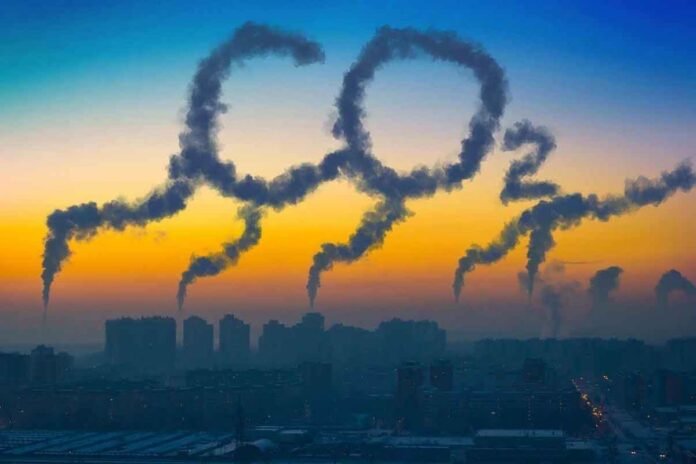
Climate change is no longer a distant threat—it is a reality shaped largely by human activity. At the heart of this crisis are greenhouse gases, with carbon dioxide (CO₂) leading the charge. Other gases, such as methane and nitrous oxide, also play a significant role. These emissions primarily stem from our reliance on fossil fuels, industrial production, and food systems. As societies around the world continue to grow and develop, understanding and addressing these emissions has become one of the defining challenges of our time.
Where Greenhouse Gases Come From
The sources of greenhouse gas emissions are diverse. Burning coal, oil, and natural gas for electricity, heating, and transportation releases vast amounts of CO₂ into the atmosphere. Industrial processes, such as steelmaking, cement production, and plastic manufacturing, contribute further emissions. Meanwhile, agriculture—particularly livestock farming and certain crop practices—produces methane and nitrous oxide, both far more potent than CO₂ in trapping heat in the atmosphere.
Together, these emissions trap heat, disrupt natural climate patterns, and drive global warming. Reducing them is essential to limit the most severe impacts of climate change, from rising sea levels to extreme weather events.
The Dual Challenge: Emissions and Global Well-Being
Addressing climate change is not just about reducing emissions—it’s also about improving human well-being. Nearly a billion people worldwide still lack access to reliable electricity, while billions more experience food insecurity, poor nutrition, and low living standards. Transitioning to cleaner energy and more sustainable systems must go hand-in-hand with social and economic development.
This dual challenge may seem daunting, but technological progress offers real solutions. Over the past few decades, the cost of renewable energy technologies—solar panels, wind turbines, and batteries—has dropped dramatically. In many cases, these clean energy sources are now cheaper than fossil fuels, even without subsidies. These advancements open the door to providing affordable, sustainable energy to everyone, reducing emissions while lifting people out of energy poverty.
Lessons from Progress
While global emissions continue to rise in several regions, some countries have demonstrated that cutting emissions is possible. Through investments in renewable energy, efficiency measures, and policy frameworks that encourage low-carbon development, these nations have managed to slow or even reverse their emissions growth. Their experience shows that decarbonization is not only feasible but can also align with economic growth.
For countries currently developing their infrastructure and industries, this presents an opportunity. They can adopt low-carbon technologies from the outset, improving living standards without repeating the high-carbon pathway historically followed by wealthier nations. By leapfrogging traditional, polluting energy systems, these nations can achieve growth while keeping emissions in check.
The Role of Policy and Technology
Technological advances alone are not enough. Political will and international cooperation are critical to creating systems that support rapid decarbonization. Governments must implement policies that incentivize clean energy adoption, phase out fossil fuel subsidies, and promote sustainable industrial and agricultural practices. Global collaboration can also help share knowledge, finance, and technology, particularly to assist countries with fewer resources in transitioning to a low-carbon future.
The combination of falling costs, innovation, and supportive policy can transform the global energy landscape. Access to clean energy could become a universal standard rather than a privilege, reducing emissions while supporting human development and economic growth.
Looking Ahead
Reducing greenhouse gas emissions is both a scientific necessity and a moral imperative. It requires a multifaceted approach: transforming energy production, revamping industrial processes, and adopting sustainable food systems, all while addressing poverty and inequality.
By leveraging technology, learning from successful emission reductions, and implementing forward-thinking policies, the world can move toward a future that balances environmental sustainability with human well-being. The challenge is immense, but the tools and knowledge exist to meet it. What remains essential is the collective will to act decisively and equitably.
In exploring CO₂ and other greenhouse gas emissions, we gain more than data—we gain insight into the choices that will define the health of our planet for generations to come. Access to detailed data, visualizations, and research allows policymakers, businesses, and individuals alike to understand the scale of the challenge and the pathways to a cleaner, fairer world.