
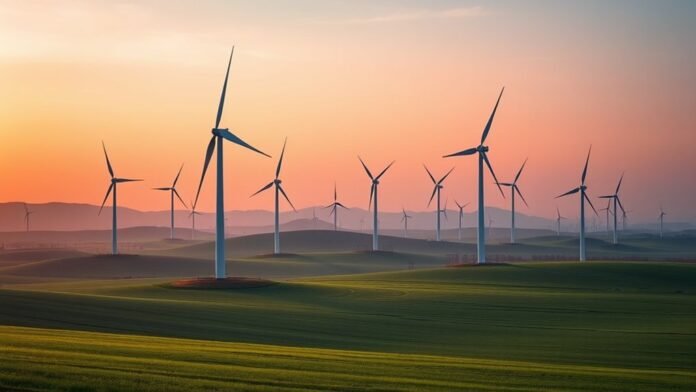
Wind energy has emerged as one of the most promising solutions in the global shift toward clean, renewable power. It may seem simple at first glance—the wind blows, turbines spin, and electricity flows—but the reality is a blend of science, engineering, and environmental planning. Understanding the basics of wind energy reveals how these towering machines transform invisible currents into tangible electricity, powering homes, cities, and even entire regions.
The Science Behind the Spin
At the core of wind energy are turbines—engineered devices that capture the kinetic energy of moving air. Each turbine consists of blades, a hub, a tower, and a generator. When the wind pushes against the blades, it creates a lift similar to the effect that allows airplane wings to soar. This lift turns the blades, which rotate a shaft connected to a generator, ultimately producing electricity.
Modern turbine blades are carefully designed to maximize efficiency. Their aerodynamic shape reduces drag while increasing lift, enabling turbines to generate electricity even in relatively light winds. Size matters, too: taller towers and longer blades access faster, more consistent wind at higher altitudes, boosting the turbine’s overall output.
Choosing the Right Location
Not all breezes are created equal, and where you place a wind turbine significantly affects how much energy it can produce. Engineers rely on detailed wind resource maps, which indicate average wind speeds and directions throughout the year. Geography, terrain, and local climate patterns all play a role, as does proximity to power lines and infrastructure. Strategic placement ensures that turbines operate efficiently, transmitting electricity to the grid with minimal energy loss.
Designing a wind farm is a careful balance between maximizing energy production and minimizing environmental and social impacts. Turbines are often arranged in rows aligned with prevailing winds to reduce turbulence—known as wake effects—that can lower efficiency. Environmental studies assess potential impacts on wildlife, particularly birds and bats, and local communities, guiding placement and permitting decisions.
Engineering Innovations
The field of wind energy is continually evolving, thanks to advances in technology and materials. Engineers are experimenting with stronger, lighter materials for blades, smarter control systems, and innovative gearboxes that extend turbine lifespan and enhance performance. Artificial intelligence now plays a role in predictive maintenance, allowing operators to anticipate and prevent equipment failures, ensuring turbines remain productive and reliable.
These innovations make wind energy more cost-effective over time. Although the initial investment in turbines and wind farm infrastructure can be significant, ongoing technological improvements reduce operating and maintenance costs, making wind power competitive with other renewable sources like solar and hydroelectric energy.
Weathering the Storm
Wind turbines are engineered to endure the forces of nature. High-strength materials, advanced design, and integrated sensors allow turbines to withstand extreme weather, including storms, heavy snow, and even hurricanes. Sensors monitor wind speed and direction in real time, enabling turbines to shut down temporarily during dangerous conditions, protecting both the equipment and surrounding areas. This combination of resilience and smart engineering ensures wind farms remain a reliable source of energy even in challenging climates.
Environmental Considerations
While wind energy is a clean alternative to fossil fuels, it is not without environmental trade-offs. Turbines can affect bird migration patterns and produce low-level noise that may concern nearby communities. Careful planning, ongoing research, and mitigation strategies help minimize these impacts, balancing ecological health with the need for renewable energy.
How Individuals Can Get Involved
Wind energy isn’t just the domain of large-scale farms; individuals can also participate. Community investment programs allow people to support local wind projects, potentially earning returns while contributing to sustainability. On a smaller scale, homeowners and businesses can install micro-turbines to supplement electricity use, reduce energy bills, and lower carbon footprints. These initiatives make clean energy more accessible and highlight the role everyday people can play in the transition to renewables.
A Delicate Balance
Harnessing wind energy requires both innovation and humility. The wind is a powerful, yet unpredictable, force. Turbines convert its kinetic energy into electricity, but their efficiency depends on careful planning, engineering precision, and respect for environmental variables. Each spinning turbine is a testament to human ingenuity and the delicate balance of working with, rather than against, nature.
By embracing wind energy, we participate in a broader effort to reduce greenhouse gas emissions, foster sustainable development, and power a cleaner, greener future. The next time you see a wind farm on the horizon, consider the intricate engineering, environmental planning, and innovative technology behind each rotor—turning invisible breezes into a concrete step toward sustainability.