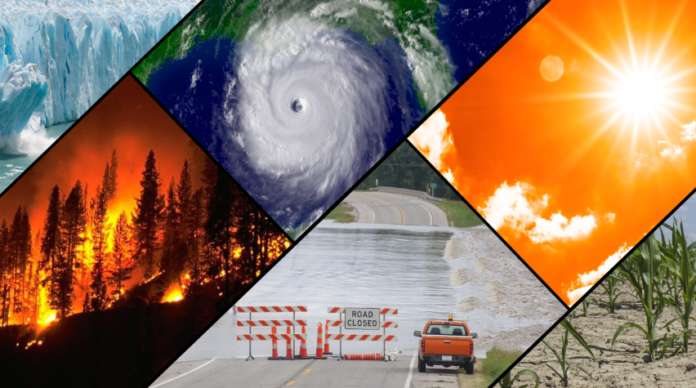
Climate change is often discussed as a looming future threat, yet its effects are already being felt across the United States and the globe. From rising temperatures to more extreme weather events, ecosystems and human communities are experiencing profound transformations that touch every aspect of life—from water supply to agriculture, from human health to infrastructure.
Our Changing Climate: What the Data Shows
Monitoring by NOAA and other scientific organizations paints a clear picture of ongoing climate shifts:
- Global temperatures are rising. Since 1850, the Earth’s average temperature has increased by approximately 2°F (1.1°C).
- Sea levels are climbing. Global sea levels have risen 8–9 inches (21–24 centimeters) since the late 19th century, accelerating in recent decades.
- Glaciers are shrinking. The World Glacier Monitoring Service reports continuous ice loss from reference glaciers over the past 36 years.
- Arctic sea ice is disappearing. Between 1979 and 2021, the Arctic lost an average of 31,100 square miles of sea ice annually—roughly the size of South Carolina.
- Atmospheric carbon dioxide is at record levels. Today, CO₂ concentrations are 50% higher than pre-Industrial Revolution levels.
- Snow melts earlier. Late spring snow cover in the Northern Hemisphere has steadily decreased between 1967 and 2022, reducing a crucial freshwater source.
These data points illustrate a warming planet where natural cycles, once reliable, are becoming unpredictable.
Impacts on Water
Water systems are particularly sensitive to climate change. Rising temperatures alter precipitation patterns, causing heavier rainfall in some regions and prolonged droughts in others.
- Flooding is increasing, with stronger and more frequent precipitation events across much of the U.S.
- Droughts are becoming more severe, especially in the western states. Agriculture is heavily impacted as crops lose more water in hotter conditions, requiring increased irrigation.
- Snowpack reliability is declining. In the western U.S., melting snow traditionally supplies water during dry months. Earlier snowmelt disrupts this supply, challenging water management for cities, farmers, and ecosystems alike.
Effects on Food and Agriculture
Our food supply is closely linked to climate. Rising temperatures, drought, disease, and extreme weather events create complex challenges for farmers and ranchers. While some issues can be addressed through adaptation and new technology, others—like heat stress on farmworkers or livestock—remain difficult to manage.
Even everyday staples are affected. Potatoes, for instance, have specific climate requirements. As weather patterns shift, crops that support popular foods—like French fries—could face growing threats, illustrating how climate impacts can extend from farm to table.
Human Health Concerns
Climate change poses direct and indirect risks to human health:
- Heatwaves are among the deadliest weather events, leading to heat exhaustion, stroke, and even death.
- Stronger hurricanes bring deadly storm surges, flooding, and infrastructure damage.
- Wildfires in dry conditions release hazardous smoke, affecting respiratory health.
- Flooding spreads waterborne diseases and chemicals, increasing injury and mortality.
- Vector-borne diseases expand as mosquitoes, ticks, and other pests move into new regions.
Communities must prepare for these challenges by strengthening health systems, early-warning measures, and public education.
Ecosystem Disruptions
Climate change does not affect all species equally. The Arctic, for instance, warms at twice the global average, melting ice sheets and contributing to rising seas. These changes ripple across ecosystems:
- Coral reefs suffer from bleaching, sedimentation, and stronger storms, threatening thousands of marine species.
- Shifts in species ranges can create conflicts with native wildlife or amplify the spread of invasive species, like lionfish or ticks.
- Ocean acidification—caused by CO₂ absorption—threatens shellfish and other marine organisms, disrupting ocean food webs and local economies.
While some species may adapt to warmer temperatures or longer growing seasons, the pace of change often outstrips their ability to adjust.
Infrastructure at Risk
Much of our infrastructure—from bridges and roads to ports and energy grids—was not designed to withstand modern climate pressures. Rising temperatures, heavy rains, flooding, and sea level rise strain these systems:
- Energy grids face higher demand for cooling during heatwaves.
- Transportation networks can be disrupted by flooding and storm damage.
- Coastal communities confront erosion and high-tide flooding, with some areas projected to be at or below sea level by 2100. Adaptation may involve strengthening infrastructure or strategic relocation, known as managed retreat.
Investing in resilient infrastructure now is crucial to protect lives, property, and the economy.
Looking Ahead: Solutions and Hope
Despite the gravity of climate change, there is hope. Scientists and policymakers emphasize the importance of rapid emission reductions to limit global warming. This requires investments in clean energy, sustainable infrastructure, and technologies that enhance resilience.
- Renewable energy development reduces emissions and creates jobs.
- Improved water and agricultural management helps communities adapt.
- Health-focused strategies can save lives and reduce economic burdens.
- Education and resilience training empower individuals—from city planners to educators—to make informed decisions.
The challenges of climate change are immense, but proactive solutions are within reach. By combining science, technology, and collective action, society can mitigate impacts, protect ecosystems, and secure a healthier future for generations to come.