
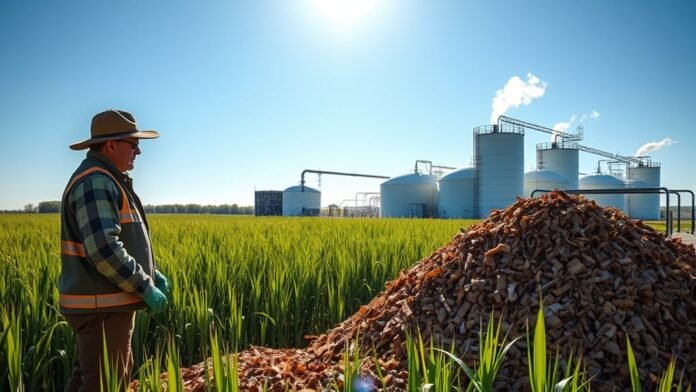
Renewable energy is no longer a distant concept—it’s a reality shaped by innovative ways to harness nature’s resources. Among these, biomass and biogas stand out as two fascinating solutions that transform organic materials into usable energy. Though they originate from similar sources, the way they operate and their applications differ in meaningful ways. Understanding these differences not only clarifies their roles in a sustainable energy future but also highlights how even everyday waste can become a powerful resource.
What Is Biomass?
Biomass is, at its core, any organic material that can be repurposed as fuel. This includes agricultural residues like straw and corn stalks, animal manure, food waste, and even wood chips. Imagine your leftover kitchen scraps or fallen leaves from the garden—they’re more than waste; they’re potential fuel waiting to be tapped.
Biomass is versatile. It can be used directly as a solid fuel, like pellets or briquettes, or processed into liquid biofuels that can power vehicles. It can also be converted into gases that generate electricity or heat. Unlike fossil fuels, which take millions of years to form, biomass is renewable—plants grow back, and organic waste is continuously produced. Using biomass as energy reduces reliance on coal, oil, or natural gas, lowering carbon emissions while supporting climate-friendly initiatives.
Enter Biogas: Energy from Decomposition
Biogas is a more specialized form of renewable energy derived from biomass. It is produced when organic materials undergo anaerobic digestion—a biological process in which microorganisms break down waste in the absence of oxygen. The result is a gas mixture dominated by methane, alongside smaller amounts of carbon dioxide and trace gases.
What makes biogas unique is that it captures energy from organic matter that would otherwise decompose and release methane directly into the atmosphere—a potent greenhouse gas. By harnessing this methane, biogas becomes a sustainable fuel that can generate electricity, heat buildings, or even fuel vehicles. In essence, biogas transforms waste into a clean, usable form of energy while reducing environmental harm.
Key Differences Between Biomass and Biogas
While biomass and biogas share a common origin—organic matter—their distinctions lie in form, process, and application:
- Form: Biomass exists as solid or liquid fuel, while biogas is a gaseous fuel.
- Production: Biomass is often burned or chemically processed to release energy. Biogas emerges through anaerobic digestion, a biological, oxygen-free process.
- Usage: Biomass fuels heat, electricity, or transportation directly. Biogas primarily produces electricity or heat and can be upgraded for vehicle use.
- Environmental Impact: Biogas typically has a lower carbon footprint because it captures methane from decomposing waste, whereas biomass energy can involve emissions from combustion and land-use changes.
Why They Matter
Both biomass and biogas are essential components of the renewable energy landscape. They contribute to a more diverse energy mix, reduce greenhouse gas emissions, and promote energy independence. Additionally, they offer sustainable waste management solutions, turning materials that would be discarded into valuable energy.
Rural areas, in particular, benefit from these resources. Collection, processing, and conversion of biomass and biogas create jobs and stimulate local economies. Farmers can turn crop residues and livestock waste into energy, providing a supplemental income stream while contributing to national climate goals.
Using Biomass and Biogas Together
Interestingly, biomass and biogas aren’t mutually exclusive—they can complement each other. Integrated systems allow biomass to be fed into anaerobic digesters, producing biogas while leaving residual solids that can still serve as fertilizer or fuel. Such synergy maximizes energy output, reduces waste, and creates a circular, eco-friendly system.
Regional Considerations
The availability of biomass and biogas resources varies geographically. Agricultural regions offer abundant crop residues, while areas with concentrated livestock can more easily produce biogas from manure. Forested regions may provide wood biomass, and urban centers generate significant food waste suitable for anaerobic digestion. Understanding local resources is crucial when planning renewable energy projects, ensuring both efficiency and sustainability.
Challenges and Opportunities
Converting biomass and biogas into usable energy is not without challenges. Feedstock variability, gas purification, and efficient reactor design require careful technological solutions. Despite these hurdles, advancements in research and innovation continue to improve conversion efficiency, making these renewable sources increasingly viable and cost-effective.
From an economic standpoint, biomass and biogas offer competitive advantages. Lower fuel costs, supply stability, and government incentives make them attractive alternatives to fossil fuels. As technologies advance and adoption grows, these renewable sources will play an even more significant role in the global energy transition.
A Vision for a Greener Future
Think of biomass as the seed of renewable energy, brimming with potential. Biogas is the energy that emerges as this seed decomposes, offering power that fuels homes, industries, and transportation. Both exemplify the promise of turning waste into wealth, showing that sustainability isn’t just about reducing harm—it’s about creating value from what would otherwise be discarded.
By embracing biomass and biogas, we’re not only tapping into renewable energy; we’re nurturing a cleaner, greener, and more resilient world. Every piece of organic waste has the potential to spark change, and each step toward using these resources brings us closer to a future powered by sustainable energy rather than fossil fuels. In this light, waste transforms from a problem into a solution, and energy emerges from nature’s most fundamental processes.